Buy strom.uk ?
We are moving the project
strom.uk .
Are you interested in purchasing the domain
strom.uk ?
domain@kv-gmbh.de · 0541-91531010
Buy strom.uk ?
What is energy dissipation in inelastic collisions?
Energy dissipation in inelastic collisions refers to the loss of kinetic energy during the collision, resulting in the formation of internal energy within the system. This internal energy can manifest as heat, sound, or deformation of the objects involved in the collision. In contrast to elastic collisions where kinetic energy is conserved, inelastic collisions involve a transfer of energy that is not fully retained by the objects involved. The amount of energy dissipated in an inelastic collision can be calculated by comparing the initial and final kinetic energies of the system. **
What is the difference between energy conservation and energy dissipation?
Energy conservation refers to the practice of reducing energy consumption by using energy more efficiently, such as turning off lights when not in use or using energy-efficient appliances. On the other hand, energy dissipation refers to the process by which energy is transformed into a form that is not useful for further work, such as heat or sound. In essence, energy conservation aims to reduce the overall energy usage, while energy dissipation refers to the loss of energy in a system. **


Similar search terms for Dissipation
Top-Angebote
Products related to Dissipation:
-
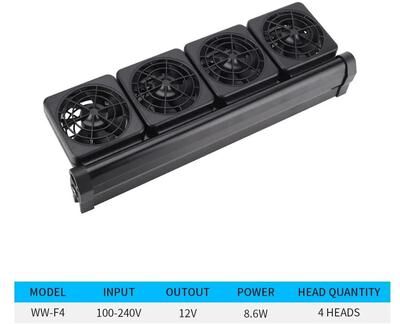
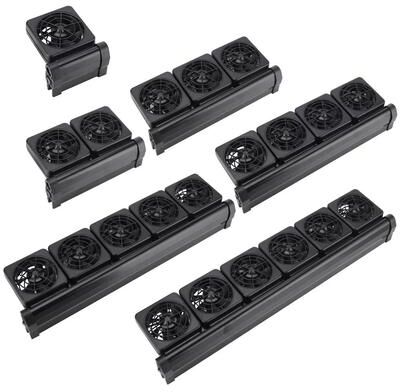
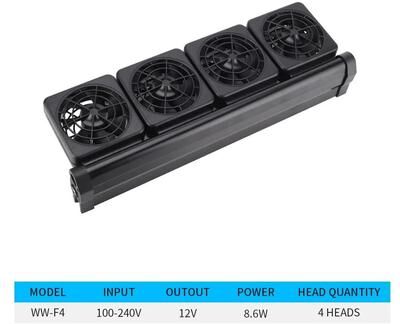
Uplift Essentials Adjustable Cooling Fan For Aquarium Heat Dissipation uk ww f4Keep your aquarium at the perfect temperature with this adjustable cooling fan, designed to provide efficient heat dissipation for fish tanks, shrimp tanks, and aquatic farming setups. Its adjustable angle and strong airflow help maintain a stable,...94,97 $*Shipping: 0,00 $Secure redirect to the provider
-
Uplift Essentials Adjustable Cooling Fan For Aquarium Heat Dissipation us ww f4nKeep your aquarium at the perfect temperature with this adjustable cooling fan, designed to provide efficient heat dissipation for fish tanks, shrimp tanks, and aquatic farming setups. Its adjustable angle and strong airflow help maintain a stable,...96,97 $*Shipping: 0,00 $Secure redirect to the provider
-
Uplift Essentials Adjustable Cooling Fan For Aquarium Heat Dissipation uk ww f3Keep your aquarium at the perfect temperature with this adjustable cooling fan, designed to provide efficient heat dissipation for fish tanks, shrimp tanks, and aquatic farming setups. Its adjustable angle and strong airflow help maintain a stable,...85,97 $*Shipping: 0,00 $Secure redirect to the provider
-
Uplift Essentials Adjustable Cooling Fan For Aquarium Heat Dissipation eu ww f4Keep your aquarium at the perfect temperature with this adjustable cooling fan, designed to provide efficient heat dissipation for fish tanks, shrimp tanks, and aquatic farming setups. Its adjustable angle and strong airflow help maintain a stable,...94,97 $*Shipping: 0,00 $Secure redirect to the provider

-
Can you explain how ball bearings reduce energy dissipation?
Ball bearings reduce energy dissipation by reducing friction between moving parts. They allow for smooth rotation by separating the surfaces in contact, which minimizes the amount of energy lost as heat due to friction. This results in more efficient operation of machinery and equipment, as less energy is required to overcome friction and keep the parts moving. Overall, ball bearings help to conserve energy and improve the performance and longevity of mechanical systems. **
-
What is the unwanted energy dissipation of a resistor?
The unwanted energy dissipation of a resistor refers to the energy that is lost in the form of heat when current flows through the resistor. This energy is dissipated due to the resistance of the material in the resistor, which causes a voltage drop and generates heat. This heat is a byproduct of the electrical energy being converted into thermal energy, and it is not useful for the intended purpose of the circuit. Minimizing unwanted energy dissipation in resistors is important to improve the efficiency and performance of electronic devices. **
-
What is the undesired energy dissipation of a resistor?
The undesired energy dissipation of a resistor refers to the heat that is generated when current flows through the resistor. This heat is a result of the resistance in the material of the resistor, which causes some of the electrical energy to be converted into thermal energy. This energy dissipation is often considered wasteful as it does not contribute to the intended function of the circuit and can lead to inefficiencies and potential overheating issues. **
-
Can you help me with the science homework on energy dissipation?
Of course! I'd be happy to help you with your science homework on energy dissipation. Energy dissipation refers to the process of energy being transformed from one form to another, usually resulting in the release of heat. This can occur through various mechanisms such as friction, air resistance, or electrical resistance. Understanding how energy is dissipated is important in many fields, including engineering, physics, and environmental science. If you have specific questions or need further explanation on any aspect of energy dissipation, feel free to ask! **

Does renewable energy generate energy or electricity?
Renewable energy generates electricity. Renewable energy sources such as solar, wind, hydro, and geothermal power are used to generate electricity through various technologies. For example, solar panels convert sunlight into electricity, wind turbines harness the power of the wind to generate electricity, and hydroelectric power plants use the energy of flowing water to produce electricity. Therefore, renewable energy is a key source of electricity generation that can help reduce reliance on fossil fuels and mitigate climate change. **
Is the power dissipation of a transistor approximately equal to UCE * IB?
No, the power dissipation of a transistor is not approximately equal to UCE * IB. The power dissipation of a transistor is given by the product of the collector current (IC) and the collector-emitter voltage (UCE), as well as the sum of the product of the base current (IB) and the base-emitter voltage (UBE). This is because the power dissipation in a transistor includes both the power dissipated in the collector-emitter junction and the base-emitter junction. Therefore, the power dissipation of a transistor is more accurately calculated using the formula P = UCE * IC + UBE * IB. **
Top-Angebote
Products related to Dissipation:
-
Inspire Select SP1848 27145 Thermoelectric Power Generator 1.57 X 1.57 In Peltier Module For Heatsink DIY Energy Generation SP1848 27145 Thermoelectric Power Generator 1.57 X 1.57 In Peltier Module For Heatsink DIY Energy GenerationTurn wasted heat into usable electrical energy with a compact solution designed for efficient experimentation and DIY projects. This semiconductor module generates electricity when a temperature difference is created between its hot and cold...52,98 $*Shipping: 0,00 $Secure redirect to the provider
-
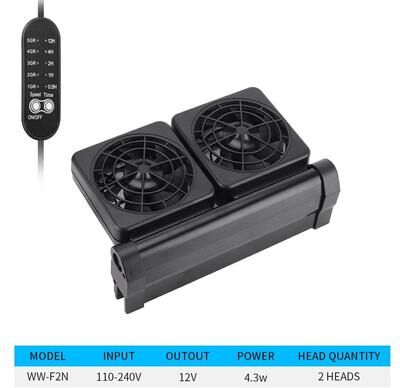
Uplift Essentials Adjustable Cooling Fan For Aquarium Heat Dissipation eu ww f2Keep your aquarium at the perfect temperature with this adjustable cooling fan, designed to provide efficient heat dissipation for fish tanks, shrimp tanks, and aquatic farming setups. Its adjustable angle and strong airflow help maintain a stable,...72,97 $*Shipping: 0,00 $Secure redirect to the provider
-
Uplift Essentials Adjustable Cooling Fan For Aquarium Heat Dissipation uk ww f4Keep your aquarium at the perfect temperature with this adjustable cooling fan, designed to provide efficient heat dissipation for fish tanks, shrimp tanks, and aquatic farming setups. Its adjustable angle and strong airflow help maintain a stable,...94,97 $*Shipping: 0,00 $Secure redirect to the provider
-
Uplift Essentials Adjustable Cooling Fan For Aquarium Heat Dissipation us ww f4nKeep your aquarium at the perfect temperature with this adjustable cooling fan, designed to provide efficient heat dissipation for fish tanks, shrimp tanks, and aquatic farming setups. Its adjustable angle and strong airflow help maintain a stable,...96,97 $*Shipping: 0,00 $Secure redirect to the provider
-
What is energy dissipation in inelastic collisions?
Energy dissipation in inelastic collisions refers to the loss of kinetic energy during the collision, resulting in the formation of internal energy within the system. This internal energy can manifest as heat, sound, or deformation of the objects involved in the collision. In contrast to elastic collisions where kinetic energy is conserved, inelastic collisions involve a transfer of energy that is not fully retained by the objects involved. The amount of energy dissipated in an inelastic collision can be calculated by comparing the initial and final kinetic energies of the system. **
-
What is the difference between energy conservation and energy dissipation?
Energy conservation refers to the practice of reducing energy consumption by using energy more efficiently, such as turning off lights when not in use or using energy-efficient appliances. On the other hand, energy dissipation refers to the process by which energy is transformed into a form that is not useful for further work, such as heat or sound. In essence, energy conservation aims to reduce the overall energy usage, while energy dissipation refers to the loss of energy in a system. **
-
Can you explain how ball bearings reduce energy dissipation?
Ball bearings reduce energy dissipation by reducing friction between moving parts. They allow for smooth rotation by separating the surfaces in contact, which minimizes the amount of energy lost as heat due to friction. This results in more efficient operation of machinery and equipment, as less energy is required to overcome friction and keep the parts moving. Overall, ball bearings help to conserve energy and improve the performance and longevity of mechanical systems. **
-
What is the unwanted energy dissipation of a resistor?
The unwanted energy dissipation of a resistor refers to the energy that is lost in the form of heat when current flows through the resistor. This energy is dissipated due to the resistance of the material in the resistor, which causes a voltage drop and generates heat. This heat is a byproduct of the electrical energy being converted into thermal energy, and it is not useful for the intended purpose of the circuit. Minimizing unwanted energy dissipation in resistors is important to improve the efficiency and performance of electronic devices. **
Similar search terms for Dissipation
-
Uplift Essentials Adjustable Cooling Fan For Aquarium Heat Dissipation uk ww f3Keep your aquarium at the perfect temperature with this adjustable cooling fan, designed to provide efficient heat dissipation for fish tanks, shrimp tanks, and aquatic farming setups. Its adjustable angle and strong airflow help maintain a stable,...85,97 $*Shipping: 0,00 $Secure redirect to the provider
-
Uplift Essentials Adjustable Cooling Fan For Aquarium Heat Dissipation eu ww f4Keep your aquarium at the perfect temperature with this adjustable cooling fan, designed to provide efficient heat dissipation for fish tanks, shrimp tanks, and aquatic farming setups. Its adjustable angle and strong airflow help maintain a stable,...94,97 $*Shipping: 0,00 $Secure redirect to the provider
-
Uplift Essentials Adjustable Cooling Fan For Aquarium Heat Dissipation uk ww f2nKeep your aquarium at the perfect temperature with this adjustable cooling fan, designed to provide efficient heat dissipation for fish tanks, shrimp tanks, and aquatic farming setups. Its adjustable angle and strong airflow help maintain a stable,...76,97 $*Shipping: 0,00 $Secure redirect to the provider
-
Uplift Essentials Adjustable Cooling Fan For Aquarium Heat Dissipation us ww f2nKeep your aquarium at the perfect temperature with this adjustable cooling fan, designed to provide efficient heat dissipation for fish tanks, shrimp tanks, and aquatic farming setups. Its adjustable angle and strong airflow help maintain a stable,...76,97 $*Shipping: 0,00 $Secure redirect to the provider
-
What is the undesired energy dissipation of a resistor?
The undesired energy dissipation of a resistor refers to the heat that is generated when current flows through the resistor. This heat is a result of the resistance in the material of the resistor, which causes some of the electrical energy to be converted into thermal energy. This energy dissipation is often considered wasteful as it does not contribute to the intended function of the circuit and can lead to inefficiencies and potential overheating issues. **
-
Can you help me with the science homework on energy dissipation?
Of course! I'd be happy to help you with your science homework on energy dissipation. Energy dissipation refers to the process of energy being transformed from one form to another, usually resulting in the release of heat. This can occur through various mechanisms such as friction, air resistance, or electrical resistance. Understanding how energy is dissipated is important in many fields, including engineering, physics, and environmental science. If you have specific questions or need further explanation on any aspect of energy dissipation, feel free to ask! **
-
Does renewable energy generate energy or electricity?
Renewable energy generates electricity. Renewable energy sources such as solar, wind, hydro, and geothermal power are used to generate electricity through various technologies. For example, solar panels convert sunlight into electricity, wind turbines harness the power of the wind to generate electricity, and hydroelectric power plants use the energy of flowing water to produce electricity. Therefore, renewable energy is a key source of electricity generation that can help reduce reliance on fossil fuels and mitigate climate change. **
-
Is the power dissipation of a transistor approximately equal to UCE * IB?
No, the power dissipation of a transistor is not approximately equal to UCE * IB. The power dissipation of a transistor is given by the product of the collector current (IC) and the collector-emitter voltage (UCE), as well as the sum of the product of the base current (IB) and the base-emitter voltage (UBE). This is because the power dissipation in a transistor includes both the power dissipated in the collector-emitter junction and the base-emitter junction. Therefore, the power dissipation of a transistor is more accurately calculated using the formula P = UCE * IC + UBE * IB. **
* All prices are inclusive of VAT and, if applicable, plus shipping costs. The offer information is based on the details provided by the respective shop and is updated through automated processes. Real-time updates do not occur, so deviations can occur in individual cases. ** Note: Parts of this content were created by AI.