Buy strom.uk ?
We are moving the project
strom.uk .
Are you interested in purchasing the domain
strom.uk ?
domain@kv-gmbh.de · 0541-91531010
Buy strom.uk ?
Does renewable energy generate energy or electricity?
Renewable energy generates electricity. Renewable energy sources such as solar, wind, hydro, and geothermal power are used to generate electricity through various technologies. For example, solar panels convert sunlight into electricity, wind turbines harness the power of the wind to generate electricity, and hydroelectric power plants use the energy of flowing water to produce electricity. Therefore, renewable energy is a key source of electricity generation that can help reduce reliance on fossil fuels and mitigate climate change. **
What is power steering?
Power steering is a system in a vehicle that helps the driver steer the wheels more easily by using hydraulic or electric power to assist in turning the steering wheel. This system reduces the amount of effort required by the driver to turn the wheels, especially at low speeds or when the vehicle is stationary. Power steering makes it easier to maneuver and control the vehicle, and it has become a standard feature in most modern cars. **


Similar search terms for ENERGY-PW680117-Power-steering
Top-Angebote
Products related to ENERGY-PW680117-Power-steering:
-
ENERGY PW2901 Power steering pumpPressure [bar]: 80; Operating Mode: hydraulic; Material: Aluminium; Valve Type: Pressure Limiting Valve; Pulleys: without belt pulley; Rotation Direction: Clockwise rotation; Number of inlets/outlets: 1; Pump Type: Vane Pump; Weight [kg]: 1,54; Always compare old and new part (in particular OE No.):71,99 £*Shipping: 8,45 £Secure redirect to the provider
-
ENERGY PW6705 Power steering pumpPressure [bar]: 80; Operating Mode: hydraulic; Material: Aluminium; Valve Type: Pressure Limiting Valve; Pulleys: without belt pulley; Rotation Direction: Clockwise rotation; Number of inlets/outlets: 1; Pump Type: Vane Pump; Weight [kg]: 2,14; Always compare old and new part (in particular OE No.):142,99 £*Shipping: 1,99 £Secure redirect to the provider
-
ENERGY PW680314 Power steering pumpPressure [bar]: 80; Operating Mode: hydraulic; Material: Cast Iron; Valve Type: Pressure Limiting Valve; Pulleys: with belt pulley; Rotation Direction: Clockwise rotation; Number of inlets/outlets: 1; Pump Type: Vane Pump; Mounting Points Distance [mm]: 39; Weight [kg]: 1,76; Operating Pressure [bar]: 80; Flow rate [l/h]: 70; Always compare old and new part (in particular OE No.): ; Construction Year from: 01/1995, 02/2000, 03/1999; Construction Year to: 07/1999, 07/200078,99 £*Shipping: 8,45 £Secure redirect to the provider
-
ENERGY PW680360 Power steering pumpOperating Mode: hydraulic; Observe service information: ; for steering manufacturer: SAGINAW; Exchange Part: ; Engine Number from: 8127852, 8127853, 8130549, 8129260; Construction Year from: 01/1994, 11/1993, 03/1992, 07/1993, 04/1991, 11/1994, 04/1994, 12/1996, 06/1994, 06/1996; Vehicle Identification Number (VIN) from: 450503; Construction Year to: 08/1997, 08/1996, 08/1998, 04/1998, 03/1997, 10/1998, 10/2004, 08/2001, 12/2002; Transmission Type: Manual Transmission; for model code: Ducato 14, Ducato 1061,99 £*Shipping: 8,45 £Secure redirect to the provider
-
What are work, energy, and power?
Work is the transfer of energy that occurs when a force is applied to an object and it moves in the direction of the force. Energy is the ability to do work and is present in various forms such as kinetic, potential, and thermal energy. Power is the rate at which work is done or the rate at which energy is transferred, and it is measured in watts. **
-
What is electrical energy and power?
Electrical energy is the energy that is carried by an electric current. It is the ability to do work through the movement of electric charges. Power, on the other hand, is the rate at which electrical energy is transferred or converted. It is the amount of energy transferred or converted per unit of time, and is measured in watts. In simple terms, electrical energy is the actual energy carried by the electric current, while power is the rate at which this energy is used or transferred. **
-
Is electricity from renewable energy sources cheaper?
Electricity from renewable energy sources has become increasingly competitive in terms of cost, and in many cases, it is now cheaper than electricity from traditional sources such as coal or natural gas. The cost of renewable energy technologies like solar and wind power has been steadily decreasing, making them more affordable and cost-competitive. Additionally, the long-term costs of renewable energy are often lower due to the lack of fuel costs and the potential for lower maintenance expenses. As a result, many regions are now seeing renewable energy as a cost-effective option for electricity generation. **
-
Is nuclear energy a renewable energy source?
No, nuclear energy is not considered a renewable energy source. While nuclear power plants do not emit greenhouse gases during operation, they rely on uranium as a fuel source, which is a finite resource. Once uranium is used up, it cannot be replaced, making nuclear energy non-renewable. Additionally, the process of mining and refining uranium can have negative environmental impacts. **


How do you calculate power and energy?
Power is calculated by dividing the amount of work done or energy transferred by the time it takes to do that work or transfer that energy. The formula for power is P = W/t, where P is power, W is work, and t is time. Energy, on the other hand, is calculated by multiplying power by time. The formula for energy is E = P x t, where E is energy, P is power, and t is time. **
Does the power bank have enough energy?
It is difficult to determine if the power bank has enough energy without knowing the specific capacity of the power bank and the energy requirements of the device it is intended to charge. To assess if the power bank has enough energy, you would need to compare the capacity of the power bank (measured in mAh or Wh) with the energy consumption of the device (measured in mAh or Wh). If the power bank has a higher capacity than the device's energy consumption, then it should have enough energy to charge the device. **
Top-Angebote
Products related to ENERGY-PW680117-Power-steering:
-
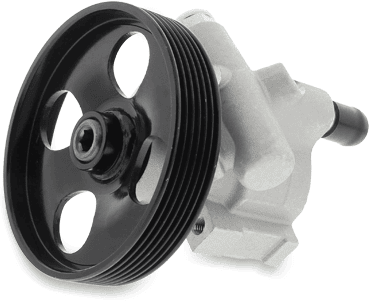
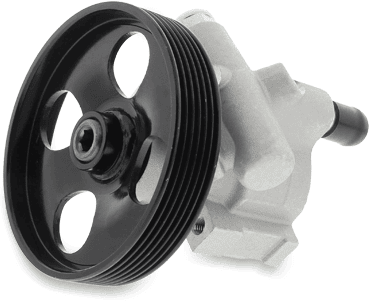
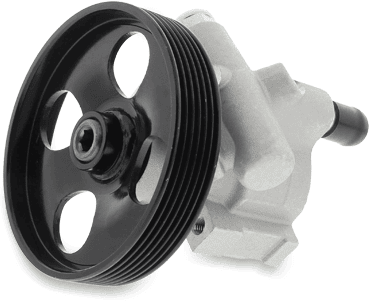
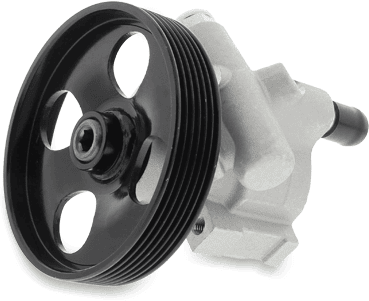
ENERGY PW680117 Power steering pumpPressure [bar]: 120; Operating Mode: hydraulic; Material: Aluminium; Valve Type: Pressure Limiting Valve; Pulleys: without belt pulley; Rotation Direction: Clockwise rotation; Number of inlets/outlets: 1; Pump Type: Vane Pump; Mounting Points Distance [mm]: 40,5; Weight [kg]: 1,84; Operating Pressure [bar]: 110; Flow rate [l/h]: 60; Always compare old and new part (in particular OE No.):88,99 £*Shipping: 8,45 £Secure redirect to the provider
-
ENERGY PW2801 Power steering pumpPressure [bar]: 95; Operating Mode: hydraulic; Material: Cast Iron; Valve Type: Pressure Limiting Valve; Pulleys: without belt pulley; Rotation Direction: Clockwise rotation; Number of inlets/outlets: 1; Pump Type: Vane Pump; Mounting Points Distance [mm]: 38; Weight [kg]: 2,63; Operating Pressure [bar]: 95; Flow rate [l/h]: 70; Always compare old and new part (in particular OE No.): ; Construction Year from: 01/2000112,99 £*Shipping: 8,45 £Secure redirect to the provider
-
ENERGY PW2901 Power steering pumpPressure [bar]: 80; Operating Mode: hydraulic; Material: Aluminium; Valve Type: Pressure Limiting Valve; Pulleys: without belt pulley; Rotation Direction: Clockwise rotation; Number of inlets/outlets: 1; Pump Type: Vane Pump; Weight [kg]: 1,54; Always compare old and new part (in particular OE No.):71,99 £*Shipping: 8,45 £Secure redirect to the provider
-
ENERGY PW6705 Power steering pumpPressure [bar]: 80; Operating Mode: hydraulic; Material: Aluminium; Valve Type: Pressure Limiting Valve; Pulleys: without belt pulley; Rotation Direction: Clockwise rotation; Number of inlets/outlets: 1; Pump Type: Vane Pump; Weight [kg]: 2,14; Always compare old and new part (in particular OE No.):142,99 £*Shipping: 1,99 £Secure redirect to the provider
-
Does renewable energy generate energy or electricity?
Renewable energy generates electricity. Renewable energy sources such as solar, wind, hydro, and geothermal power are used to generate electricity through various technologies. For example, solar panels convert sunlight into electricity, wind turbines harness the power of the wind to generate electricity, and hydroelectric power plants use the energy of flowing water to produce electricity. Therefore, renewable energy is a key source of electricity generation that can help reduce reliance on fossil fuels and mitigate climate change. **
-
What is power steering?
Power steering is a system in a vehicle that helps the driver steer the wheels more easily by using hydraulic or electric power to assist in turning the steering wheel. This system reduces the amount of effort required by the driver to turn the wheels, especially at low speeds or when the vehicle is stationary. Power steering makes it easier to maneuver and control the vehicle, and it has become a standard feature in most modern cars. **
-
What are work, energy, and power?
Work is the transfer of energy that occurs when a force is applied to an object and it moves in the direction of the force. Energy is the ability to do work and is present in various forms such as kinetic, potential, and thermal energy. Power is the rate at which work is done or the rate at which energy is transferred, and it is measured in watts. **
-
What is electrical energy and power?
Electrical energy is the energy that is carried by an electric current. It is the ability to do work through the movement of electric charges. Power, on the other hand, is the rate at which electrical energy is transferred or converted. It is the amount of energy transferred or converted per unit of time, and is measured in watts. In simple terms, electrical energy is the actual energy carried by the electric current, while power is the rate at which this energy is used or transferred. **
Similar search terms for ENERGY-PW680117-Power-steering
-
ENERGY PW680314 Power steering pumpPressure [bar]: 80; Operating Mode: hydraulic; Material: Cast Iron; Valve Type: Pressure Limiting Valve; Pulleys: with belt pulley; Rotation Direction: Clockwise rotation; Number of inlets/outlets: 1; Pump Type: Vane Pump; Mounting Points Distance [mm]: 39; Weight [kg]: 1,76; Operating Pressure [bar]: 80; Flow rate [l/h]: 70; Always compare old and new part (in particular OE No.): ; Construction Year from: 01/1995, 02/2000, 03/1999; Construction Year to: 07/1999, 07/200078,99 £*Shipping: 8,45 £Secure redirect to the provider
-
ENERGY PW680360 Power steering pumpOperating Mode: hydraulic; Observe service information: ; for steering manufacturer: SAGINAW; Exchange Part: ; Engine Number from: 8127852, 8127853, 8130549, 8129260; Construction Year from: 01/1994, 11/1993, 03/1992, 07/1993, 04/1991, 11/1994, 04/1994, 12/1996, 06/1994, 06/1996; Vehicle Identification Number (VIN) from: 450503; Construction Year to: 08/1997, 08/1996, 08/1998, 04/1998, 03/1997, 10/1998, 10/2004, 08/2001, 12/2002; Transmission Type: Manual Transmission; for model code: Ducato 14, Ducato 1061,99 £*Shipping: 8,45 £Secure redirect to the provider
-
ENERGY PW680377 Power steering pumpPressure [bar]: 100; Operating Mode: hydraulic; Material: Aluminium; Valve Type: Pressure Limiting Valve; Belt Pulley Ø [mm]: 114; Pulleys: with belt pulley; Supplementary Article / Supplementary Info: with reservoir; Rotation Direction: Clockwise rotation; Number of inlets/outlets: 1; Pump Type: Vane Pump; Number of grooves: 6; Mounting Points Distance [mm]: 105; Weight [kg]: 2,54; Operating Pressure [bar]: 100; Flow rate [l/h]: 60; Always compare old and new part (in particular OE No.): ; Construction Year from: 11/2002; Construction Year to: 08/2000117,99 £*Shipping: 8,45 £Secure redirect to the provider
-
ENERGY PW680467 Power steering pumpPressure [bar]: 80; Operating Mode: hydraulic; Material: Aluminium; Valve Type: Pressure Limiting Valve; Belt Pulley Ø [mm]: 138; Pulleys: with belt pulley; Rotation Direction: Clockwise rotation; Number of inlets/outlets: 1; Pump Type: Vane Pump; Number of grooves: 6; Mounting Points Distance [mm]: 42; Weight [kg]: 2,24; Operating Pressure [bar]: 80; Flow rate [l/h]: 70; Always compare old and new part (in particular OE No.): ; Construction Year to: 01/1995, 12/1992, 01/1998; Construction Year from: 01/1989, 01/1993, 09/1994; Engine Code: C18NZ, C20NE, All exc. X14XE, All, All exc. X20XEV, X20XEV, X16XEL, C20XE/V, C20LET, X14XE98,99 £*Shipping: 8,45 £Secure redirect to the provider
-
Is electricity from renewable energy sources cheaper?
Electricity from renewable energy sources has become increasingly competitive in terms of cost, and in many cases, it is now cheaper than electricity from traditional sources such as coal or natural gas. The cost of renewable energy technologies like solar and wind power has been steadily decreasing, making them more affordable and cost-competitive. Additionally, the long-term costs of renewable energy are often lower due to the lack of fuel costs and the potential for lower maintenance expenses. As a result, many regions are now seeing renewable energy as a cost-effective option for electricity generation. **
-
Is nuclear energy a renewable energy source?
No, nuclear energy is not considered a renewable energy source. While nuclear power plants do not emit greenhouse gases during operation, they rely on uranium as a fuel source, which is a finite resource. Once uranium is used up, it cannot be replaced, making nuclear energy non-renewable. Additionally, the process of mining and refining uranium can have negative environmental impacts. **
-
How do you calculate power and energy?
Power is calculated by dividing the amount of work done or energy transferred by the time it takes to do that work or transfer that energy. The formula for power is P = W/t, where P is power, W is work, and t is time. Energy, on the other hand, is calculated by multiplying power by time. The formula for energy is E = P x t, where E is energy, P is power, and t is time. **
-
Does the power bank have enough energy?
It is difficult to determine if the power bank has enough energy without knowing the specific capacity of the power bank and the energy requirements of the device it is intended to charge. To assess if the power bank has enough energy, you would need to compare the capacity of the power bank (measured in mAh or Wh) with the energy consumption of the device (measured in mAh or Wh). If the power bank has a higher capacity than the device's energy consumption, then it should have enough energy to charge the device. **
* All prices are inclusive of VAT and, if applicable, plus shipping costs. The offer information is based on the details provided by the respective shop and is updated through automated processes. Real-time updates do not occur, so deviations can occur in individual cases. ** Note: Parts of this content were created by AI.