Buy strom.uk ?
We are moving the project
strom.uk .
Are you interested in purchasing the domain
strom.uk ?
domain@kv-gmbh.de · 0541-91531010
Buy strom.uk ?
Does renewable energy generate energy or electricity?
Renewable energy generates electricity. Renewable energy sources such as solar, wind, hydro, and geothermal power are used to generate electricity through various technologies. For example, solar panels convert sunlight into electricity, wind turbines harness the power of the wind to generate electricity, and hydroelectric power plants use the energy of flowing water to produce electricity. Therefore, renewable energy is a key source of electricity generation that can help reduce reliance on fossil fuels and mitigate climate change. **
What is chimney soot?
Chimney soot, also known as creosote, is a black, oily substance that accumulates inside chimneys when wood or fossil fuels are burned. It is a byproduct of incomplete combustion and consists of carbon particles and other chemicals. Soot buildup can be a fire hazard and should be regularly cleaned from chimneys to prevent chimney fires. **


Similar search terms for Soot
Top-Angebote
Products related to Soot:



-
What does diesel soot mean?
Diesel soot refers to the fine particles of carbon that are emitted from diesel engines as a byproduct of combustion. These particles are a type of air pollution and can contribute to respiratory issues and other health problems when inhaled. Diesel soot can also contribute to the formation of smog and have environmental impacts such as harming plant life and contaminating water sources. **
-
What is ash and soot?
Ash and soot are both forms of residue left behind after the combustion of organic or inorganic materials. Ash is the powdery substance that remains after something has been burned, such as wood or paper. Soot, on the other hand, is a black, powdery or flaky substance that is primarily composed of carbon and is produced by the incomplete combustion of organic matter. Both ash and soot can be harmful to human health and the environment if not properly managed. **
-
Does the radiator produce soot?
No, radiators do not produce soot. Soot is typically produced by the incomplete combustion of carbon-containing materials such as wood, coal, or oil. Radiators, on the other hand, are used to transfer heat from hot water or steam to the surrounding air, and do not produce soot as a byproduct of their operation. If soot is present in the vicinity of a radiator, it is likely coming from another source such as a fireplace, stove, or furnace. **
-
Is electricity from renewable energy sources cheaper?
Electricity from renewable energy sources has become increasingly competitive in terms of cost, and in many cases, it is now cheaper than electricity from traditional sources such as coal or natural gas. The cost of renewable energy technologies like solar and wind power has been steadily decreasing, making them more affordable and cost-competitive. Additionally, the long-term costs of renewable energy are often lower due to the lack of fuel costs and the potential for lower maintenance expenses. As a result, many regions are now seeing renewable energy as a cost-effective option for electricity generation. **

What percentage do renewable energy sources make up in electricity generation in Germany in 2020?
In 2020, renewable energy sources made up 46.3% of electricity generation in Germany. This is a significant increase from previous years and reflects the country's commitment to transitioning towards a more sustainable energy system. Renewable energy sources such as wind, solar, and biomass have played a key role in reducing Germany's reliance on fossil fuels and lowering carbon emissions in the electricity sector. **
How can you remove exhaust soot?
To remove exhaust soot, you can start by washing the affected area with a mixture of warm water and mild soap. Scrub the soot gently with a soft brush or sponge to loosen it from the surface. For tougher stains, you can use a specialized automotive cleaner or degreaser. Rinse the area thoroughly with clean water and dry it with a microfiber cloth to prevent water spots. Repeat the process if necessary until the exhaust soot is completely removed. **
Top-Angebote
Products related to Soot:
-
Acctim Caleb Soot ClockThe Acctim Caleb Soot Clock, personifies great design. The simple and elegant buttons and the silver bezel, frame the clean lines to create a truly stylish analogue alarm. The clear, arabic dial with sweep technology for a quiet night's sleep, are lit by Acctim's Smartlite® technology - automatically illuminating the dial as your room gets darker. Form and function in perfect harmony. Dimensions: L3.8cm x W10cm x H10.2cm.24,00 £*Shipping: 3,50 £Secure redirect to the provider
-
Does renewable energy generate energy or electricity?
Renewable energy generates electricity. Renewable energy sources such as solar, wind, hydro, and geothermal power are used to generate electricity through various technologies. For example, solar panels convert sunlight into electricity, wind turbines harness the power of the wind to generate electricity, and hydroelectric power plants use the energy of flowing water to produce electricity. Therefore, renewable energy is a key source of electricity generation that can help reduce reliance on fossil fuels and mitigate climate change. **
-
What is chimney soot?
Chimney soot, also known as creosote, is a black, oily substance that accumulates inside chimneys when wood or fossil fuels are burned. It is a byproduct of incomplete combustion and consists of carbon particles and other chemicals. Soot buildup can be a fire hazard and should be regularly cleaned from chimneys to prevent chimney fires. **
-
What does diesel soot mean?
Diesel soot refers to the fine particles of carbon that are emitted from diesel engines as a byproduct of combustion. These particles are a type of air pollution and can contribute to respiratory issues and other health problems when inhaled. Diesel soot can also contribute to the formation of smog and have environmental impacts such as harming plant life and contaminating water sources. **
-
What is ash and soot?
Ash and soot are both forms of residue left behind after the combustion of organic or inorganic materials. Ash is the powdery substance that remains after something has been burned, such as wood or paper. Soot, on the other hand, is a black, powdery or flaky substance that is primarily composed of carbon and is produced by the incomplete combustion of organic matter. Both ash and soot can be harmful to human health and the environment if not properly managed. **
Similar search terms for Soot
-
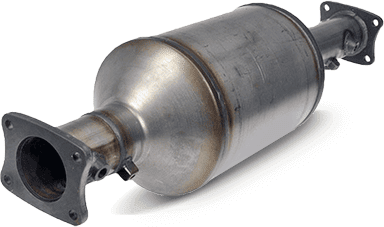
HJS 93 11 1026 Retrofit Kit, soot filterSupplementary Article / Supplementary Info: replaces exhaust pipe; Emissions Standard: Reaches pollutant group 4 after mounting = green label; Emissions Standard: reaches particle reduction class PMK1 when mounted, reaches particle reduction class PM1 when mounted; ABE No.: KBA 17039; Version: DPF-03; with ECE/ABE approval: ; Observe service information: ; EU General Product Safety Regulation (GPSR): IEC 60417-6183 mechanical expertise required; Supplementary Info: Original DPF® City Filter®; Liquid: ; for model code/type code: 7HMA, 7HM; KBA Number (Germany): 0603AHN, 0603690, 0603ACB, 0603ACK; Vehicle Identification Number (VIN) to: 7H-A-050 000, 7J-A-010 000; Vehicle Identification Number (VIN) from: 7H-3-000 001, 7J-3-000 001; TecDoc Engine Number: 16867, 16881; Emission Key: 0654, 0451635,99 £*Shipping: 1,99 £Secure redirect to the provider
-
HJS 93 32 1710 Retrofit Kit, soot filterCatalytic Converter Type: with catalytic converter; Supplementary Article / Supplementary Info: replaces exhaust pipe; Emissions Standard: Reaches pollutant group 4 after mounting = green label, reaches particle reduction class PMK2 when mounted; Emissions Standard: 1999/96/EG;A,GKL:G1; Observe service information: ; with ECE/ABE approval: ; EU General Product Safety Regulation (GPSR): IEC 60417-6183 mechanical expertise required; Supplementary Info: Original DPF® City Filter®; Liquid: ; TecDoc Engine Number: 17514, 16196, 17849, 16407, 18297, 20450, 24923; Emission Key: 0671; Vehicle type: 244 B; KBA Number (Germany): 3003111, 4136044, 4136043, 3001003; Construction Year from: 07/2003, 07/2002, 06/2004, 04/2002; Construction Year to: 04/2006, 07/2006, 05/2006; Number of seats: 16; for manufacturer emissions standard: 1999/96/EG;A,GKL:G11137,00 £*Shipping: 1,99 £Secure redirect to the provider
-
Does the radiator produce soot?
No, radiators do not produce soot. Soot is typically produced by the incomplete combustion of carbon-containing materials such as wood, coal, or oil. Radiators, on the other hand, are used to transfer heat from hot water or steam to the surrounding air, and do not produce soot as a byproduct of their operation. If soot is present in the vicinity of a radiator, it is likely coming from another source such as a fireplace, stove, or furnace. **
-
Is electricity from renewable energy sources cheaper?
Electricity from renewable energy sources has become increasingly competitive in terms of cost, and in many cases, it is now cheaper than electricity from traditional sources such as coal or natural gas. The cost of renewable energy technologies like solar and wind power has been steadily decreasing, making them more affordable and cost-competitive. Additionally, the long-term costs of renewable energy are often lower due to the lack of fuel costs and the potential for lower maintenance expenses. As a result, many regions are now seeing renewable energy as a cost-effective option for electricity generation. **
-
What percentage do renewable energy sources make up in electricity generation in Germany in 2020?
In 2020, renewable energy sources made up 46.3% of electricity generation in Germany. This is a significant increase from previous years and reflects the country's commitment to transitioning towards a more sustainable energy system. Renewable energy sources such as wind, solar, and biomass have played a key role in reducing Germany's reliance on fossil fuels and lowering carbon emissions in the electricity sector. **
-
How can you remove exhaust soot?
To remove exhaust soot, you can start by washing the affected area with a mixture of warm water and mild soap. Scrub the soot gently with a soft brush or sponge to loosen it from the surface. For tougher stains, you can use a specialized automotive cleaner or degreaser. Rinse the area thoroughly with clean water and dry it with a microfiber cloth to prevent water spots. Repeat the process if necessary until the exhaust soot is completely removed. **
* All prices are inclusive of VAT and, if applicable, plus shipping costs. The offer information is based on the details provided by the respective shop and is updated through automated processes. Real-time updates do not occur, so deviations can occur in individual cases. ** Note: Parts of this content were created by AI.